Your Herbal Tea Might Not Be Doing What You Want (Here’s Why)
Share
One of the biggest issues we’re seeing in the herbal tea space right now is herbal teas claiming benefits and promises that they are not designed to actually deliver on. Not because those herbs can’t do those things, but because…
herbal medicine depends on the right extraction method + the right steep time + the right dose.
And some marketers and companies are simply bypassing this fact.
Even when herbs are high quality, they don’t always work well in a quick 5-minute steep.
The truth: Not every herb works best as a tea
Herbal tea can absolutely be supportive and beneficial, especially for daily rituals, gentle nervous system support, digestion, and hydration.
But the part that gets overlooked is that there are many ways to prepare herbs:
- Infusions (a regular steeped tea)
- Long infusions (steeped 4–8 hours / overnight)
- Decoctions (simmered 15–45 minutes)
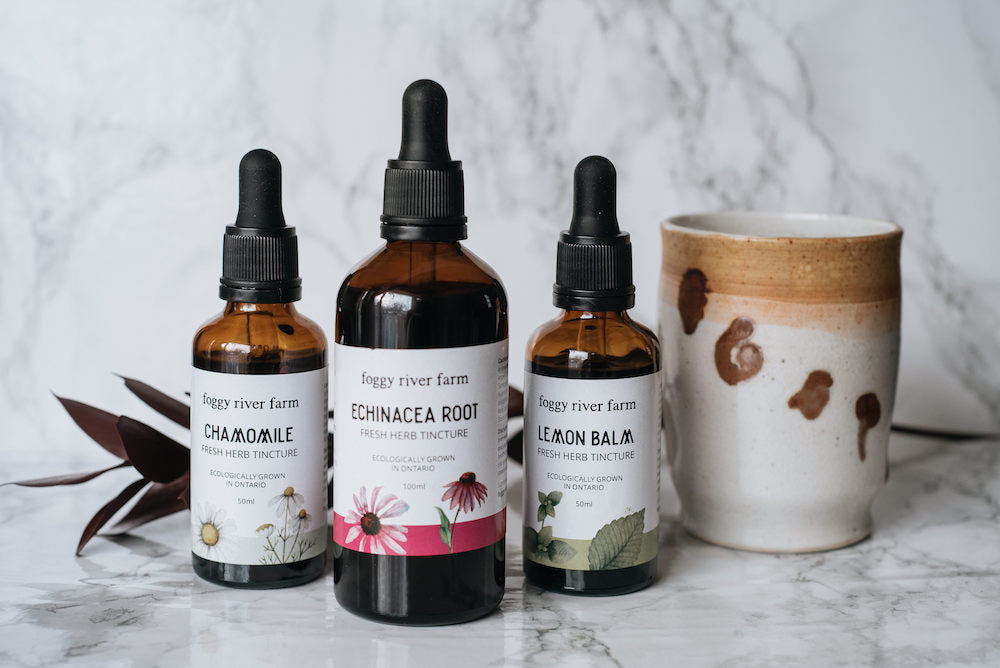
- Tinctures (alcohol + water extraction)
- Syrups, oxymels, vinegars, etc.
Each method extracts different constituents. We have a whole article on extraction methods.
So when a tea is marketed as “immune support” or “deep nourishment”… but brewed like a regular cup of tea… sometimes it simply can’t deliver what the label implies.
Reason #1: Some plant parts need a different extraction method
One of the most important things to learn in herbalism is this:
✅ Plant part matters.
Some herbs release their goodness easily in hot water, especially leaves and flowers.
But others are dense, fibrous, or resin-rich and need more time (or a different solvent) to extract fully.
Plant parts that usually need more than a quick steep:
- Roots
- Barks
- Mushrooms
- Berries / hard fruits / seeds
- These often need heat + time.
Better extraction methods:
🔥 Decoction (gentle simmer)
💧 Tincture (alcohol + water extraction)
Example: A lot of “immune” or “energy” blends include powerful herbs like:
- Astragalus root
- Ashwagandha root
- Licorice root
- Turmeric root
- Elderberry
- Echinacea root (especially better as tincture)
These can be incredible herbs, but they tend to work best when simmered 15–45 minutes, not steeped for 5.
So if a tea blend contains these ingredients and is marketed as strongly supportive, it’s worth asking:
Is this herb being brewed in a way that actually extracts it?
What is a decoction (and how do you make one)?
A decoction is basically “tea… but more intense.”
Simple decoction method:
- Add 1–2 tablespoons of dried roots/berries to a pot
- Add 2–4 cups of water
- Bring to a gentle simmer
- Simmer 15–45 minutes
- Strain and drink
This method is especially helpful for dense plant material (roots, bark, berries).
Reason #2: Some herbs need longer steep times
Some teas are marketed as:
- “nourishing”
- “mineral-rich”
- “for deep replenishment”
- “women’s tonic” or “pregnancy tonic”
- “restorative”
And then the steep directions are something like:
“Steep 3–5 minutes.”
And that’s not how nourishing herbal infusions work.
Mineral-rich herbs often need:
⏳ 4–8 hours (or overnight)
That longer time is what pulls out the “deeper” supportive nutrients and minerals that people are often buying them for.
Better method:
✅ Long infusion
These are classic “nourishing infusion” herbs:
- Nettle
- Oat straw
- Red clover
- Raspberry leaf
They’re gentle, safe for many people, and truly supportive.
Tip: How to make a long infusion at home
- Add 3+ tablespoons dried herb to a jar
- Pour in 1 quart / 1 litre of boiling water
- Cover and steep 4–8 hours (or overnight)
- Strain and enjoy (add lemon, honey, or other flavour enhancers)
This is the kind of tea you make when you actually want a “nourishing tonic,” not just a quick cup.
Reason #3: Dose matters … a lot!
A blend can LOOK medicinal… but if there’s only a pinch of the ‘star’ herb, it may not deliver results.
A sprinkle of an expensive medicinal root looks great on a label… but might not be enough to provide meaningful support.
This doesn’t always mean you’ve been fooled
Let’s be clear: this isn’t about shaming anyone for buying teas that taste good.
Many blends are designed to taste & look delicious, not to deliver potent doses.
And sometimes herbs are included in small amounts for a supporting role, such as:
- balancing “energetics” in herbalism
- smoothing flavour
- helping with digestion of heavier herbs
- rounding out the formula
Taste matters. Ritual matters. Enjoyment matters.
But when marketing implies “strong medicinal benefits,” it’s fair to ask a company whether the dose and method actually match that claim.
How to choose a tea that’s actually useful
If you want to buy herbal teas with more confidence, here are a few quick checks that make a big difference:
Look for:
✔ high-quality herbs
✔ clear steeping instructions
✔ meaningful amounts of key herbs (first vs last on the ingredient list)
✔ plant part listed (root / leaf / flower)
✔ the right extraction method for that plant part
Want to learn more?
We’re passionate about honest herbalism and basic consumer education, because you deserve to know what you’re actually getting from the cup.
We’ve written some more articles to help you expand your herbal knowledge:
A Beginner’s Guide to Herbal Extractions
Herbal Tinctures Explained: How They Work, How to Use Them & When to Reach for One