A Beginner’s Guide to Herbal Extractions (Tea, Tincture, Decoction, Infusion, Vinegar + More)
Have you read about a cool sounding herb but then thought “…how do I actually use this?”
One of the biggest “aha” moments in herbalism is learning this:
The method matters just as much as the herb.
A delicate leaf needs something different than a tough root. A mineral-rich plant needs something different than an aromatic flower. And the reason some herbal products “work” better than others often comes down to extraction, not the herb itself.
So today we’re breaking it all down simply.
Let’s build your home apothecary toolkit, one method at a time 🌿
What does “herbal extraction” mean?
In plain terms:
An extraction is a way of pulling the stuff out of a plant. Remember that grade 5 science class on solvents? (Hi Mr. B, if you’re reading this!)
Water is the universal solvent. It has a more extensive range as a solvent than any other known liquid, extracting a phenomenally wide range of constituents. It’s universal disadvantage however, is that it is not a preservative. And that is where other solvents can come in very handy, when you want to make something that has a longer shelf life.
Different liquids and techniques also pull different constituents. Some of these terms may mean nothing to you, but you'll get the idea...
- cold water extract sugars, proteins, gums, mucilaginous substances, pectin, polysaccharides, alkaloidal salts (and more)
- hot water extracts minerals, bitters, polysaccharides, tannins (and more)
- alcohol + water extracts a broader range including resins + alkaloids (and preserves them well) and can break down tough plant tissues
- vinegar is great for minerals & alkaloids
Equally important is that heat + extra time helps break down tough roots/barks/berries.
Think of it like cooking.
You wouldn’t cook potatoes the same way you’d cook basil.
1) Herbal Tea (Regular “Steeped Tea”)
 What it is
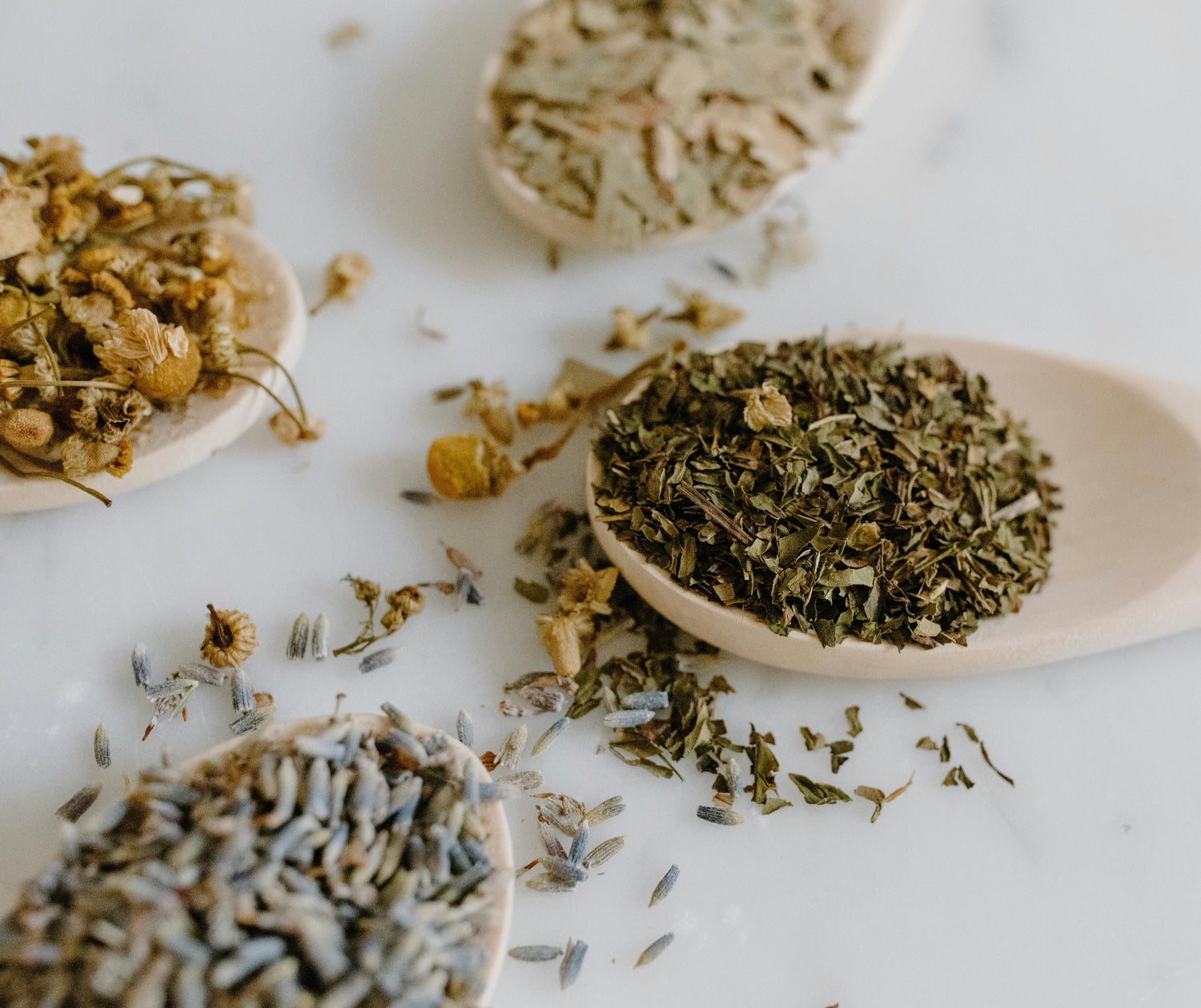
A tea is an infusion made by steeping herbs in hot water — usually 5–15 minutes. It’s gentle, food-like, and easy to make part of your routine.
Best for
- aromatic leaves + flowers (if you cover your tea when steeping!)
- gentle daily support & ritual
- herbs you enjoy the flavour of
Herbs that work beautifully as tea
- Lemon balm → calming, nervous system support (especially in the evening)
- Chamomile → gentle calming, digestion support after meals
- Tulsi (holy basil) → uplifting + balancing, great daytime tea
- Spearmint / peppermint → digestion support, refreshing, daily sipping
- Rose petals → mood + heart comfort, gentle and soothing
What tea can become (building blocks)
- iced tea, popsicles, gummies
- blended daily “functional” teas (calm, digestive, bedtime)
- the base of a syrup
2) Infusion (A “Long Steep” Tea)
What it is
In herbalism, an infusion can mean tea — but a true infusion usually means a long steep (often 30 minutes up to 8+ hours).
This method is AMAZING for herbs that need time in water to release their goodness, especially nutritive herbs (mineral-rich plants).
Best for
- leafy, mineral-rich herbs
- deep nourishment
- daily support
Herbs that work beautifully as infusion
- Nettle leaf → nourishing mineral infusion (traditionally used for deep nourishment)
- Raspberry leaf → mineral-rich, traditionally used by midwives; supportive daily tea
- Oat straw → deeply nourishing nervous system herb
- Red clover → gentle nutritive + traditional lymph support
Infusion can become
- fridge-ready daily nourishment drink
- used as a base for herbal popsicles, smoothies, or iced teas
3) Decoction (Simmered Roots, Bark, Mushrooms & Berries)

What it is
A decoction is made by simmering tough plant material in water for 15–60 minutes.
This is the missing piece for most people — because many “immune/energy” tea blends include roots and berries, which don’t extract well with a quick steep.
Best for
- roots
- bark
- mushrooms
- dried berries
- seeds
Herbs that work beautifully as decoction
- Ginger root → warming, digestion support
- Astragalus root → traditional resilience + immune support (especially in winter)
- Licorice root → soothing, supports “harmonizing” blends (not for everyone)
- Elecampane → deep lung support
- Elderberries → best as decoction or syrup base (much stronger than quick-steep tea)
- Chaga / reishi (mushrooms) → long simmer works well for traditional use
Decoction can become
- herbal syrup (classic elderberry syrup!)
- reduced concentrate added to tea, chai, hot cocoa, or other other beverages
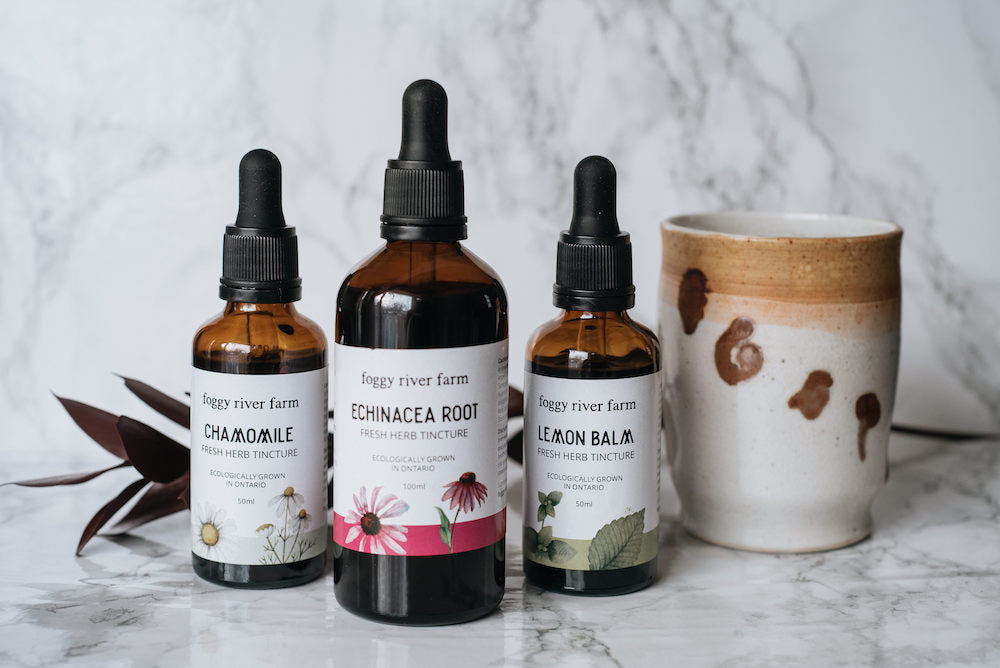
4) Tincture (Herbs Extracted in Alcohol)
 What it is
A tincture is an herbal extract made by soaking herbs in alcohol (often with water too) for 2–6 weeks.
Tinctures are:
- shelf-stable (therefore travel friendly)
- concentrated
- convenient
- fast to take
- extremely potent when water & alcohol are used as a combined solvent
Best for
- extracting specific constituents (resins, essential oils, alkaloids)
- herbs that don’t taste great
- herbs you want fast absorption from
- long-term storage
How it’s made (simplified)
Herb + alcohol & water + time → strain → bottle.
Herbs that work beautifully as tincture
- Echinacea root → traditional immune support (often best tinctured vs tea)
- Ashwagandha root → traditional stress resilience & vitality support
- Valerian root → bedtime support (tastes awful, tincture is perfect)
- Skullcap → nervous system support
- Calendula → digestive & lymphatic support, as well as skin preparations
Tincture can become (a building block for)
- herbal throat sprays
- liniments
- Added into syrups & elixirs
5) Herbal Vinegar
What it is
Herbal vinegar is made by steeping herbs in vinegar (usually apple cider vinegar) for 2–4 weeks.
This method blends the line between food and herbalism. It’s:
- easy
- delicious (when done right)
- great for minerals and traditional tonics
- great for digestion
Herbs that work beautifully as vinegar
- Nettle → classic mineral vinegar (use in salad dressing!)
- Rosemary / thyme → culinary + traditional respiratory support
- Garlic → warming, traditional immune support
- Chamomile → gentle, soothing vinegar base (great in hair rinses too)
Vinegar can become
- oxymel (vinegar + honey), fire cider being the most well known
- salad dressings / marinades
- herbal “shrubs” (vinegar syrup drinks)
There’s more…!
These five preparations are a good starting point in your herbal education journey. As not to overwhelm, we did not share every type of extraction.
As you continue learning, there’s a wonderful world ahead with other preparations, including: Glycerites, oxymels, syrups, salves, liniments, and oils.
Quick Cheat Sheet: Which extraction should I use?
If you’re staring at an herb and not sure what to do, here is a shortcut:
- Flowers/leaves you want to sip daily → Tea
- Mineral-rich leaves → Long Infusion
- Roots/bark/berries/mushrooms → Decoction
- You want convenience + shelf stability → Tincture
- You want food-style herbal use → Vinegar
- You want a delicious winter tonic → Oxymel / Syrup