A Simple Guide to Using Herbs in Everyday Life
In our many years of speaking with customers, we've noticed a very common theme: using herbs can feel overwhelming and intimidating. It makes sense, especially for those who grew up in homes that relied almost exclusively on 'modern' medicine. Just like with cooking, if your parents didn't teach you, it's a bit overwhelming in the beginning.
The good news is, once you gain some basic knowledge, the learning curve is quick. Think of everyday herbalism is like a toolkit. You don’t need every tool ever made, just a few reliable ones you know how to use. Eventually, as you gain more skill and confidence, you might graduate from a little toolbox to one that fills an entire wall (you've been warned). This guide is here to help you build that starting kit.
 Start With This Mindset: Herbs Are Support, Not Superheroes*
Herbs work with your body, not against it. They don’t need to override your system; they soothe and strengthen. That’s why they’re especially good for everyday stuff: sleep troubles, digestion that’s cranky, nerves that feel frayed, immunity that needs a boost. They can fill in a blank space that modern medicine struggles to reach for many of us.
*Sometimes they are superheroes, too. We don’t want to overpromise here, but we’ve had some genuine “wow” moments that got us started down this whole path in the first place.
 Acute vs. Long-Term Herbs (This is key)
One of the most helpful distinctions you can make early on is acute support vs. long-term support.
🌿 Acute Herbs: For Right-Now Moments
These are the herbs you reach for when something pops up and you want relief now, or at least within hours or days.
Examples of when you’d use acute herbs:
- A sore throat coming on (sage tea)
- Trouble sleeping after a stressful day (valerian tincture)
- Digestive upset after a heavy meal (chamomile tea or tincture)
- Feeling wound-up or anxious in the moment (lemon balm tea)
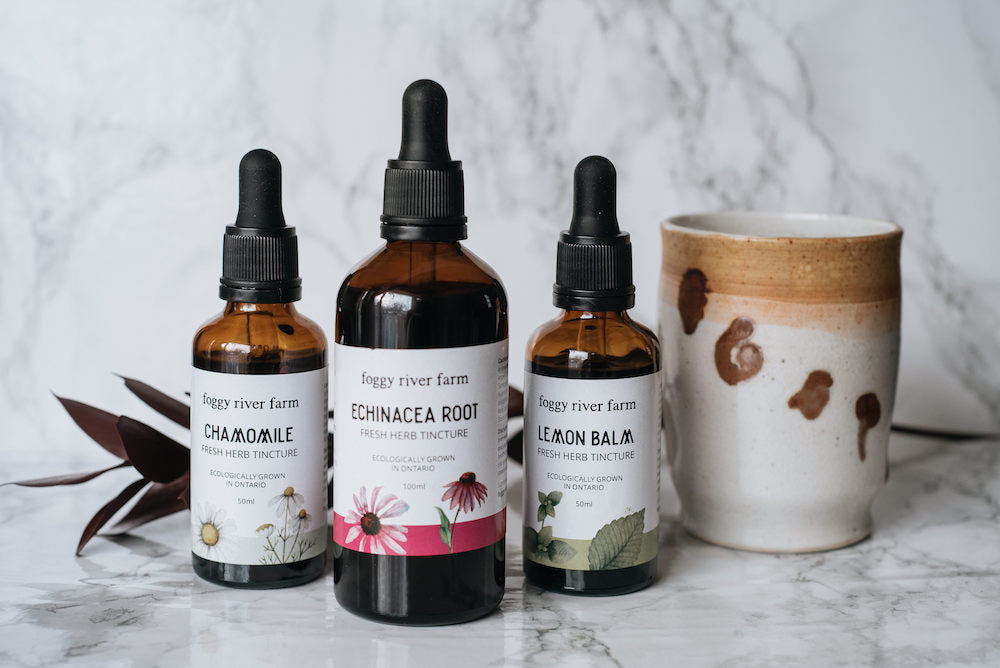
- Active infection (echinacea root tincture)
These herbs are often used short-term and as needed.
🌱 Long-Term Herbs: For Building Resilience
These are about a stronger foundation, not just putting out fires. Long-term herbs support body systems over weeks to months.
Examples of when you’d use long-term herbs:
- Supporting stress response and nervous system health (milky oat tincture)
- Rebuilding energy after burnout or illness (ashwagandha decoction or tincture)
- Immune strengthening (astragalus decoction or tincture)
- Digestive strength over time (dandelion root)
Many people get disappointed with herbs because they expect long-term herbs to work like acute ones. Different jobs, different timelines. Consistency & patience is required for long-term building.
Safety Stuff
Herbs are powerful, and some take more expertise and precision than others. The herbs we grow and offer for everyday use are on the very forgiving side when used thoughtfully. There are others, like Poke Root for example, that do require greater expertise.
A few grounding guidelines:
- Start low, go slow, build up. Especially if you’re new or sensitive.
- Drinking a cup of tea is very different than taking a frequent tincture. Just like 1 painkiller may be fine, but taking 10 is not, dosage matters!
- Know when not to use something. Pregnancy, medications, and certain conditions may call for extra care. Check with your healthcare team.
- Listen to your body. Just like some people thrive on dairy and others don’t, herbs aren’t “good” or “bad”—they’re personal.
A Starting Point: The Small Herbal Toolkit
There’s something deeply empowering about knowing you have options at home.
A simple toolkit might include:
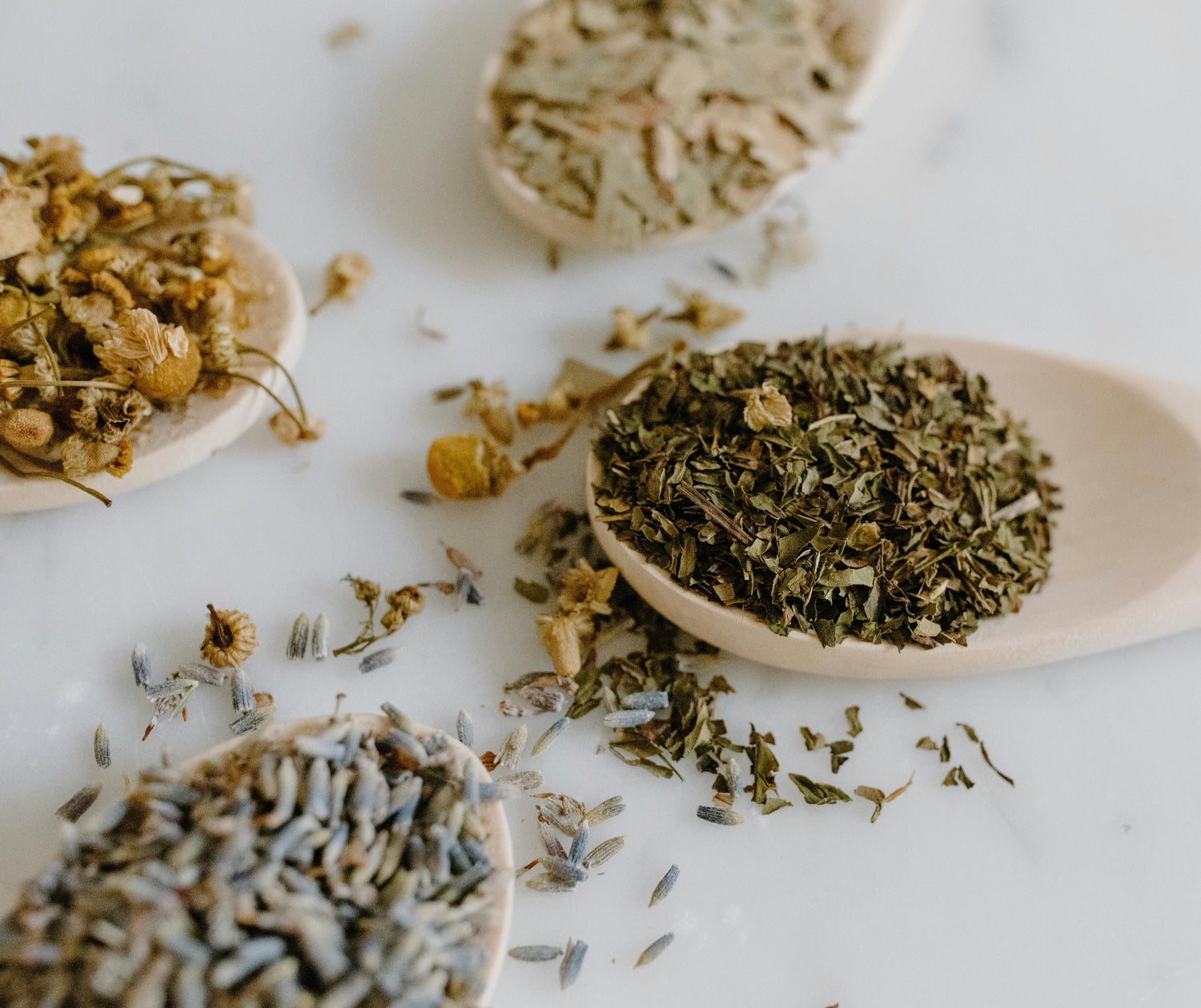
- One tea you really enjoy the taste of
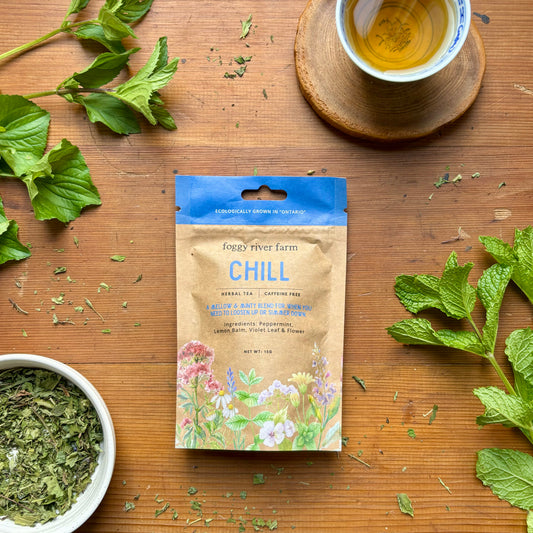
- One herb (or blend) for stress & nervous system support
- One herb for an area you struggle with: digestion, lungs, allergies
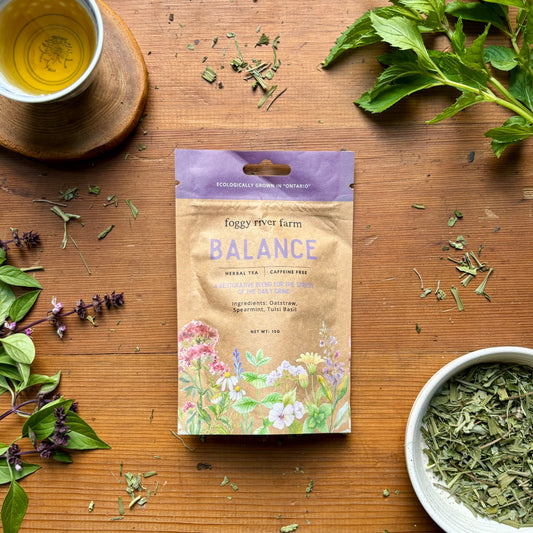
- One tea or tincture for acute immune support (echinacea root is great)
That’s it. Four tools that can benefit your everyday life, and allow you to get to know some herbs. Don't try and solve all your problems at once!
 Learn the Basics
Having a basic understanding of how to prepare herbs properly makes a big difference in how well they work.
- Always read the instructions on the product page for optimal steeping or preparation
- Different herbs want different things—some love long steeps, others prefer a simmer. A beginners book in herbalism is useful, and you can also check out our post on A Beginner’s Guide to Herbal Extractions
Start small. Stay curious. Let your toolkit grow with you.
Using herbs in everyday life is about reclaiming small moments of care instead of always outsourcing your health to someone else. Pick one herb to learn about; the key is to just start. On the other side of intimidation, you will find gentle, natural support within arm’s reach.